
- Home
- Assessment Areas
- Peer and Digital Safety
- Cyberbullying Scale (SZ)
Cyberbullying Scale (SZ)
Bullying in digital settings
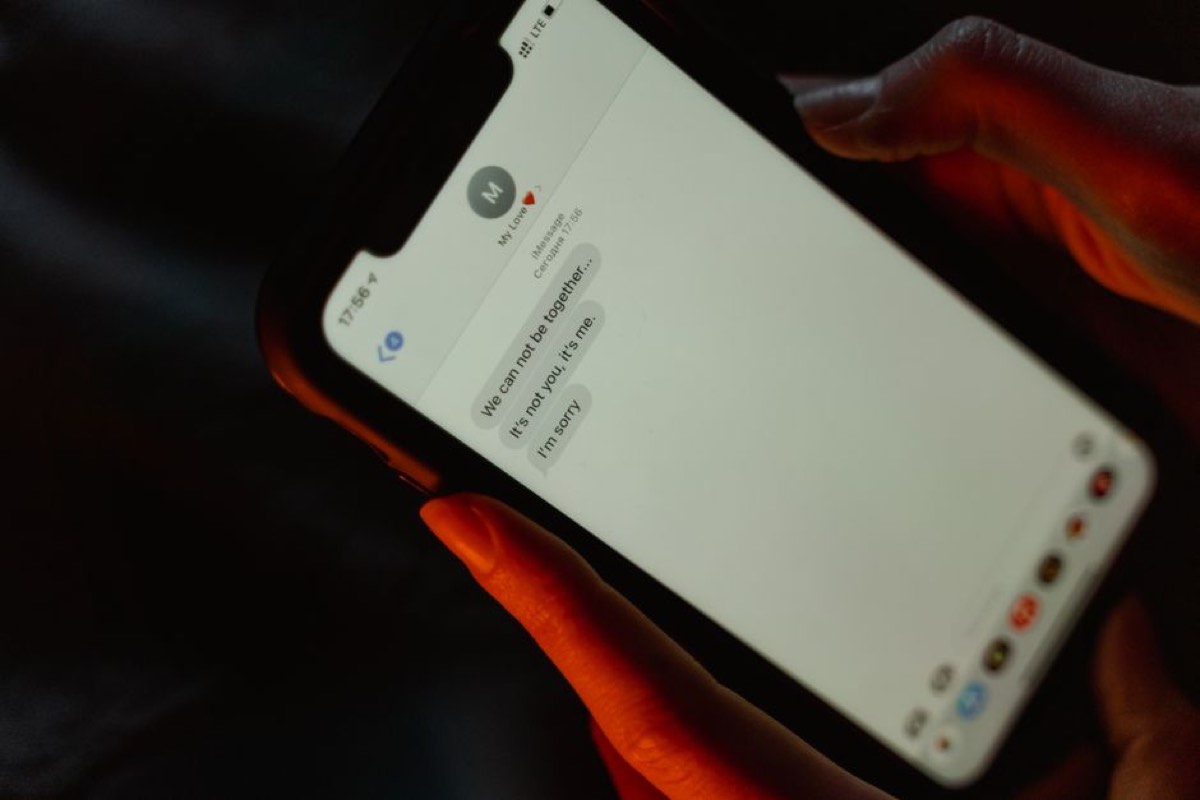
Cyberbullying Scale (SZ) assesses bullying in digital settings. A screening of bullying experience in digital settings. Cyberbullying differs from the face-to-face kind in that it does not stop at the school gate and often leaves the school unaware it is happening.
What it makes visible
- Covers ground that in-school observation cannot reach.
- Read together with the peer bullying scale, since the two overlap but are not the same.
- Signals are often quiet: withdrawal from a phone, not towards it.
Scope and limits
This is a screening and assessment instrument; it does not make a clinical diagnosis. The exact scope of use must be verified against the relevant instrument form, its norm group and the conditions of administration.
SZ at a glance
| Assessment area | PDS — Peer and Digital Safety |
|---|---|
| Measures | Bullying in digital settings |
| Duration | 10–15 min |
| Level | Lower secondary, Upper secondary |
| Administered by | Guidance specialist |
| Format | Individual / group / digital |
| Follow-up | Re-assessment after 3–6 months where appropriate |
Focus of the area
Surfacing peer bullying, cyberbullying and problematic digital gaming behaviour at the level of early signals.
Scenarios that include this instrument
Frequently asked questions
No. The two overlap but not completely, and an intervention that addresses one may leave the other running.
Within its remit, yes; beyond that the guidance service refers outside the school. The route is settled in advance, not improvised.
Scope note
This structure is designed to support assessment, screening and guidance processes — not to make a clinical diagnosis. The aim is not to diagnose but to know the student more accurately, follow their development and identify the support they need in time.