
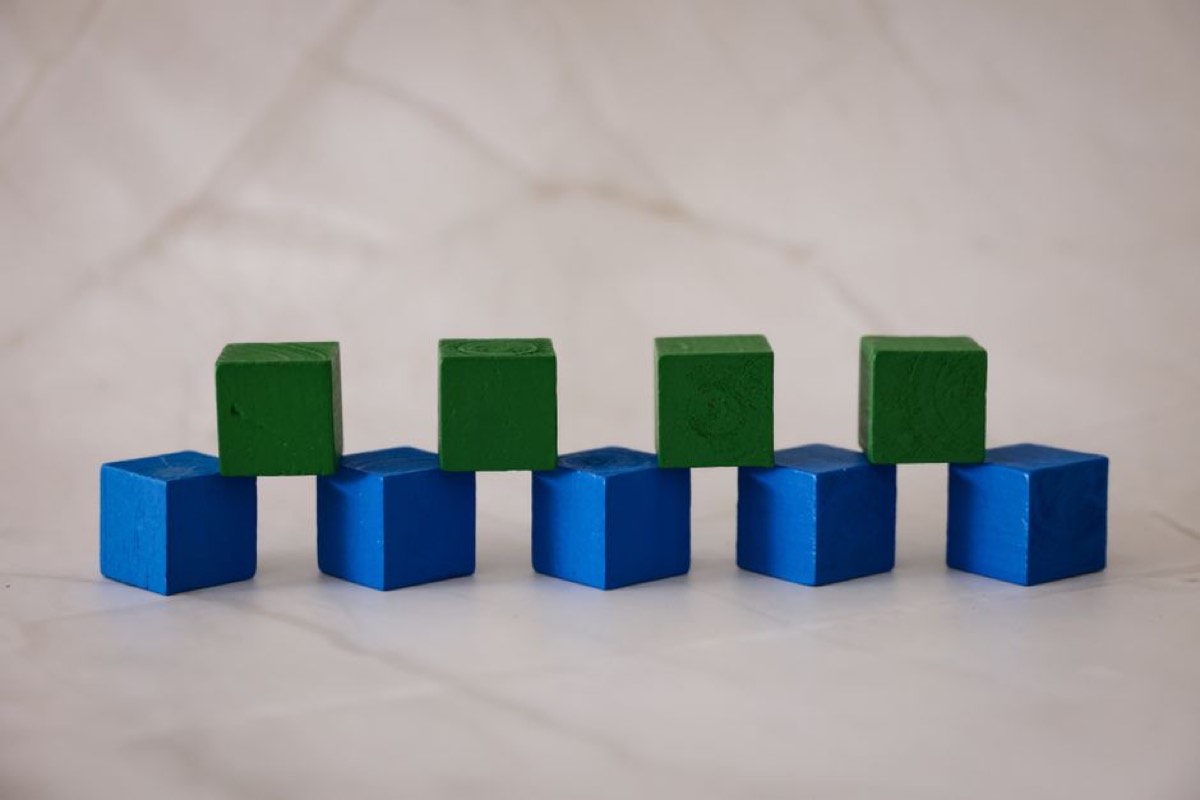
Dice (TI-III) assesses spatial reasoning. The student is asked to decide how a three-dimensional object would look after rotation. The task calls for mental rotation, which is distinct from both pattern reasoning and visual memory.
What it makes visible
- Isolates spatial reasoning, an ability that is often invisible in classroom assessment.
- Relevant where a student performs well verbally but struggles with geometry, maps or diagrams.
- Suitable from lower secondary upwards; the demand is too high for primary-level norms.
Scope and limits
This is a screening and assessment instrument; it does not make a clinical diagnosis. The exact scope of use must be verified against the relevant instrument form, its norm group and the conditions of administration.
TI-III at a glance
| Assessment area | ASA — Academic Skills and Attention |
|---|---|
| Measures | Spatial reasoning |
| Duration | 12–18 min |
| Level | Lower secondary, Upper secondary |
| Administered by | School counsellor |
| Format | Individual / group / digital |
| Follow-up | Re-assessment after 3–6 months where appropriate |
Focus of the area
Assessing, in a structured way, how a student sustains attention, processes visual information, builds patterns and solves problems.
Scenarios that include this instrument
Frequently asked questions
The demand exceeds what primary-age norms cover. Using it there would produce a score that cannot be interpreted against any reference group.
Mental rotation does improve with practice, which is why a repeat measurement is spaced at least a term apart.
Scope note
This structure is designed to support assessment, screening and guidance processes — not to make a clinical diagnosis. The aim is not to diagnose but to know the student more accurately, follow their development and identify the support they need in time.